- Home
- Samurai History
- The Samurai Sword Reality vs Myth
The Samurai Sword Reality vs Myth
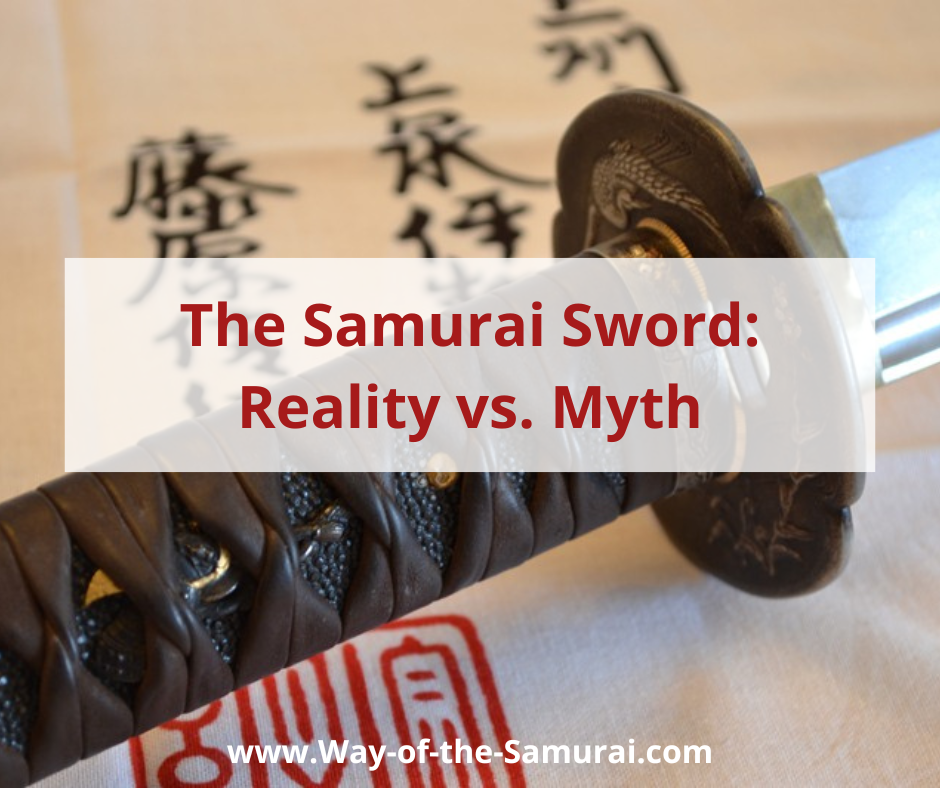
The Samurai Sword Reality vs Myth - Few objects in history have achieved the iconic status of the Japanese sword. Often described as "the soul of the samurai," the samurai sword has become a powerful symbol that transcends its function as a weapon. Yet the historical reality of swords in early medieval Japan differs significantly from modern popular perceptions. Understanding this distinction enhances our appreciation of both samurai history and the martial traditions that preserve sword techniques today.
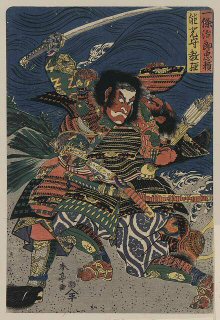
Perhaps the most surprising revelation in the Samurai Sword Reality vs Myth discussion for many students of Japanese history is that for most of the early medieval period (10th-14th centuries), the sword was not the samurai's primary weapon. As we've seen in previous discussions, mounted archery defined the samurai's battlefield role. Swords were secondary weapons, used when a warrior had exhausted his arrows or been unhorsed. Historical records from this period rarely depict warriors choosing to engage with swords when bows were available.
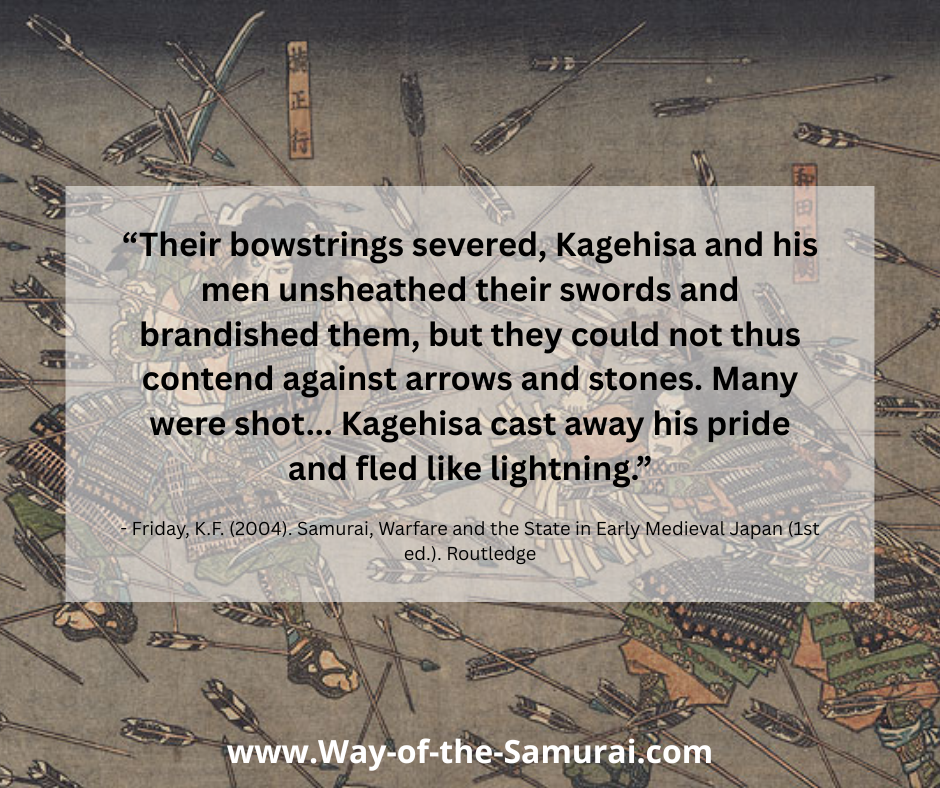
A telling incident from 1180 illustrates this priority clearly. When a samurai named Matano Kagehisa and his men discovered that rats had gnawed through their bowstrings overnight, they were forced to face their enemies with swords alone. The chronicle Azuma Kagami records the result:
“Their bowstrings severed, Kagehisa and his men unsheathed their swords and brandished them, but they could not thus contend against arrows and stones. Many were shot... Kagehisa cast away his pride and fled like lightning.”
- Friday, K.F. (2004). Samurai, Warfare and the State in Early Medieval Japan (1st ed.). Routledge
The Samurai Sword Reality vs Myth:
A Sword By Any Other Name is Not a Katana
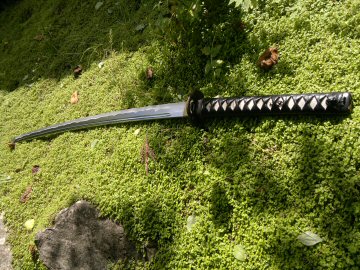
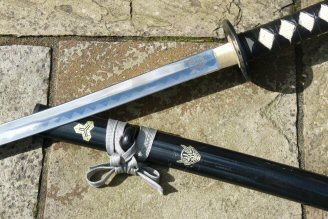
Another Samurai Sword Reality vs Myth misconception is that the katana was the samurai sword, but a katana is just one classification of many types of samurai swords used over their long history.
The swords used by early samurai were quite different from the katana familiar to modern audiences. The primary sidearm of Heian and Kamakura warriors was the tachi, a curved sword worn suspended from the waist with the cutting edge facing downward. Typically measuring between 70 - 80 centimetres in length, the tachi was designed to be drawn quickly when needed, but it was ill-suited for use from horseback. Despite popular depictions, historical sources contain virtually no examples of early medieval warriors wielding swords while mounted.
Dr. Friday categorically states in his excellent text, “Samurai, Warfare and the State in Early Medieval Japan”:
“...there is not a single example, in any document, text or drawing produced before the thirteenth century, that depicts warriors wielding swords from horseback.”
- Friday, K.F. (2004). Samurai, Warfare and the State in Early Medieval Japan (1st ed.). Routledge
That said, certain koryū (classical schools) of swordsmanship, of which I am a student, contain techniques that are said to be performed on horseback. For example, Musō Jikiden Eishin-ryū contains battlefield Muromachi period horse-mounted techniques, including cutting techniques, sword sheathing methods, and a series for developing balance while on horseback. Kagéryū Choken Battōjutsu contains Bajodachi - cutting techniques performed on horseback.
In addition to the tachi, warriors carried shorter companion blades called tantō or koshigatana ("hip sword"). These smaller weapons were used for close-quarters fighting, for finishing off wounded opponents, and for removing the heads of defeated enemies - an important practice for proving victories and earning rewards. Again, within some lines of Musō Jikiden Eishin-ryū, there are specific teachings on using these blades to remove a head.
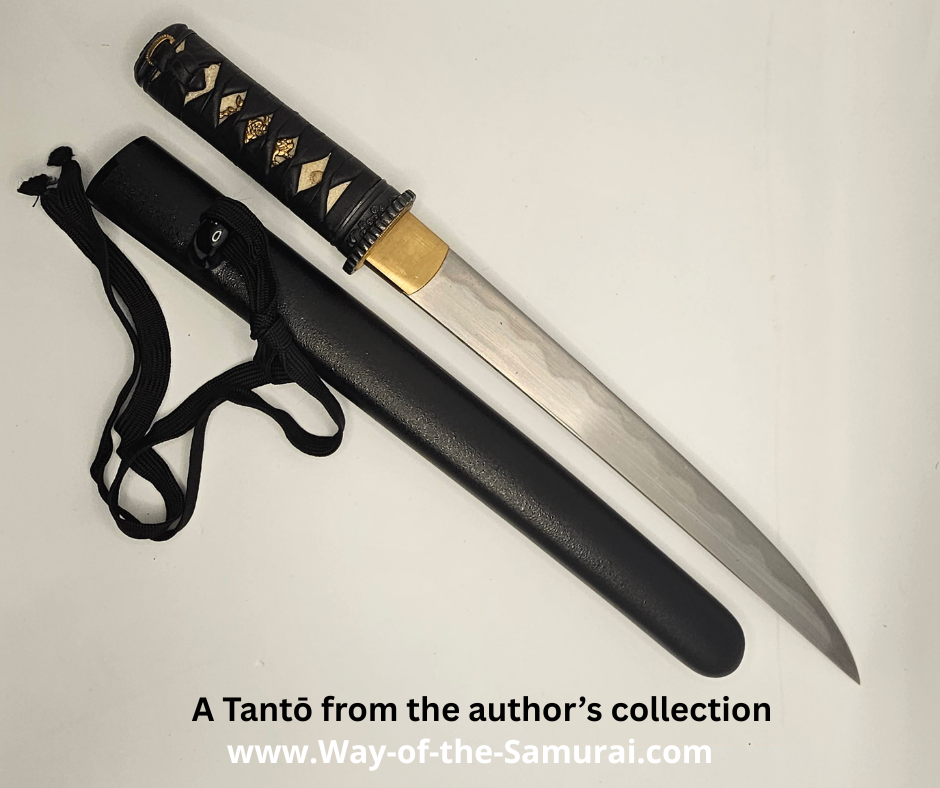
The curved shape of Japanese swords, often attributed to design for horseback use, actually resulted from the unique forging and heat treatment process. When a blade was differentially hardened - with the edge cooling more quickly than the spine - the resulting contraction naturally created a curve. This same process produced the visible temper line (hamon) that became one of the aesthetic hallmarks of Japanese swords.
Japanese swordsmiths developed remarkably sophisticated methods for creating blades that balanced hardness (for edge retention) with flexibility (to prevent breaking). Various techniques emerged, including the lamination of different types of steel and the careful control of carbon content throughout the blade. These methods resulted in weapons that were technological marvels for their time - capable of taking and holding an exceptionally sharp edge while remaining resilient enough to withstand the stresses of combat.
The Samurai Sword Reality vs Myth
Transformation of the Tachi
An interesting transformation in sword styles occurred around the 14th century. The tachi began to be supplanted by a new style of sword called uchi-gatana, which eventually evolved into what we now call the katana. Unlike the tachi, this new sword was worn thrust through the belt with the cutting edge facing upward. This change reflected broader shifts in warfare, including increased fighting on foot and the adoption of closer-fitting armour styles. By the 16th century, the katana had become the standard sidearm of Japanese warriors.
Despite their secondary battlefield role, swords held immense cultural and symbolic significance for the samurai from very early times. Swords were among the most valuable possessions a warrior could own, often passed down through generations as family heirlooms. Fine blades were given names and sometimes had detailed histories recording their creation and notable uses in battle.
The spiritual dimensions of the sword were equally important. Swords were believed to embody a kind of spirit or essence, and rituals surrounding their creation, care, and use reflected this belief.
The Samurai Sword Reality vs Myth
Creating the Swords Soul
The forge itself is considered a sacred space (shinzen), and the swordsmith will maintain ritual purity through abstinence and often recites norito (Shinto prayers) while working. The purification of temizu (ritual hand washing) will be performed before crucial steps, and even the hammering rhythm often follows ritual patterns.
Then, once the blade has been folded and shaped, it will be immersed in water. This is a misogi (purification by water) of the blade itself in a way, and the quenching causes the blade to curve. It is this moment that the soul of the sword is created. This is the most delicate and dangerous moment of the sword-making process, as it can crack or warp the blade.
Once the blade is forged, the final purification ceremonies are held. The blade is first wiped with holy paper (gohei), and sacred sake is sprinkled along the blade's length. Salt is scattered around the workspace to create a purified boundary, and the sword is passed through sacred fire. This is often burning sacred cedar or sacred mugwort, burned to cleanse the spiritual atmosphere.
The blade is placed on a special stand facing the North Star, and Shinto priests may be called to perform norito. These prayers are accompanied by the waving of a wand called a harai-gushi (a longer stick of the sakaki tree with streamers of Linen or paper attached) or an ônusa (a branch of the sacred sakaki tree or other evergreen to which linen or paper streamers are attached).
This process removes any lingering negative energy from the forging process, awakens the sword's internal kami (spirit) and cleanses any blood guilt that might come from the sword's future use.
The blade is wrapped in special white paper blessed at a shrine and given a final blessing using a sacred branch wand.
Warriors similarly treated their weapons with reverence, viewing them not merely as tools but as extensions of their own spirit.
The Samurai Sword Reality vs Myth:
A Moral Instrument
And of course, the deeply spiritual connections of the sword appear in numerous historical anecdotes, as well as within the kuden (oral transmission) with the koryū I study. It begins with the origin myths of Japan itself. In the Kojiki and Nihon Shoki (the 8th-century chronicles), the sword Kusanagi-no-Tsurugi is one of the Three Sacred Treasures of Japan, central to imperial legitimacy. In myth, the storm god Susanoo slays the eight-headed serpent Yamata-no-Orochi and discovers a sword in its tail. He presents it to the sun goddess Amaterasu, linking it directly to divine authority and the imperial line, and highlighting the sword's position of divine authority and truth.
The sword is also used as an instrument of spiritual power in exorcisms and purification ceremonies. These sword movements are among the oldest still taught in various schools of koryū Iai, including the school I study, Musō Jikiden Eishin-ryū. These movements symbolically “cleanse” or calm disturbed spirits. In Shintō, this type of ritual is called ō-harai, which means purification.
In very early times, swords were used in sweeping motions during rituals. These movements were believed to cut down harmful or rebellious spirits. In some cases, this may reflect real historical events where leaders used force to control opposing groups. Roald Knutsen Sensei once recounted to me a story about the Earth Deity, Takemika-dzouchi and that the horizontal sweeping of the blade in certain Musō Jikiden Eishin-ryū was intended to “cut off the heads of those recalcitrant spirits who refused to submit (to Takemika-dzouchi) as they rose up, crying ‘Wa! – Wa!’’. By ‘spirits’ he explained that some of the gathered tribal chieftains made to attend Takemika-dzouchi in the sacred land of Kashima were by no means ‘pacified’. Those who would not agree to the new order were separated and executed.
The sword was also seen by later martial artists as a moral instrument. Take for example, the Shogun’s sword instructor, Yagyu Munenori, in his classic text "Heiho Kadensho" (The Life-Giving Sword):
“the heart of this work is the idea that the sword that kills people can, on the contrary, become a sword that gives them life. In a chaotic society, many people are killed for no reason. The Death-Dealing Sword is used to bring a chaotic society under control; but once this has been done, cannot that same sword become a Life-Giving Sword?”
- Yagyū, Munenori. The Life-Giving Sword: Secret Teachings from the House of the Shogun. Translated by William Scott Wilson
The Samurai Sword Reality vs Myth:
Symbols of Status
The cultural importance of swords extended beyond their practical use or symbolic value. They also served as potent markers of status and authority. The right to wear swords publicly distinguished warriors from other social classes, and the quality of a samurai's blade often reflected his rank and wealth. By the Edo period (1603-1868), this distinction would be formalised in the policy of sword restriction, which legally limited sword ownership to the samurai class.
The legendary quality of Japanese swords developed gradually through stories and artistic depictions. Tales of blades that could cut through multiple enemies with a single stroke or slice through iron helmets became staples of warrior literature. While these accounts were often exaggerated, they reflected genuine appreciation for the exceptional craftsmanship of fine swords. They also contributed to the mystique that continues to surround Japanese swords today.
Archaeological evidence and surviving battle accounts provide a more balanced view of the sword's effectiveness. While well-crafted Japanese blades were indeed formidable weapons, they were not supernatural in their capabilities. Against armoured opponents, swords were most effective when targeted at the gaps and weak points in armour, rather than attempting to cut through metal plates. This reality influenced the development of sword techniques that emphasised precision and targeting vulnerable areas.
A good example of this is a variation of an advanced Musō Jikiden Eishin-ryū kata from the Okuiai Iwaza no Bu (奥居合居業之部) called 脛囲 Sunegakoi. One interpretation of this technique may be to release an upward cut to the femoral artery or inner groin area, not covered by armour.
The Samurai Sword Reality vs Myth:
Conclusion
The transition from battlefield tool to cultural icon accelerated during the peaceful Edo period, when swords became more ceremonial than practical for most samurai. With fewer opportunities to test their blades in actual combat, warriors placed increasing emphasis on the aesthetic qualities of their swords and the refinement of drawing and cutting techniques in martial arts. Schools of swordsmanship (kenjutsu) proliferated, codifying and preserving techniques that might otherwise have been lost.
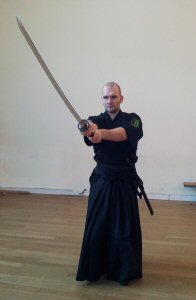
For modern martial artists, this historical perspective offers valuable context. The techniques preserved in traditional sword arts like kendō, iaidō, and various koryū reflect centuries of evolution in response to changing battlefield conditions, weapons, and armour. Understanding the reality behind the myth enhances rather than diminishes appreciation for these arts. Modern practitioners honour this heritage by approaching their training not merely as physical exercise but as a connection to a living tradition.
The positions, movements, and targeting principles all reflect practical combat considerations, strategic or spiritual tactics, even as they've been adapted. The emphasis on proper form and mental discipline likewise continues samurai traditions that valued technical precision and spiritual development equally.
Even martial arts that don't explicitly focus on swords often incorporate principles derived from sword techniques. The concepts of distance management, timing, and angling found in arts like jūjutsu and jūdō have roots in swordsmanship strategies. The samurai's experience with bladed weapons shaped Japanese martial thinking in ways that persist across diverse styles.
For collectors and enthusiasts, appreciating both the reality and the mythology of samurai swords adds depth to their interest. Understanding the technological achievements of traditional swordsmiths, the practical considerations that shaped sword design, and the cultural factors that elevated these weapons to iconic status creates a more complete picture of their significance.
The enduring fascination with Japanese swords speaks to their power as symbols of a complex warrior tradition. They represent not only martial prowess but also aesthetic refinement, technological innovation, and spiritual depth. By embracing both the historical reality and the cultural significance of these weapons, we gain richer insight into the world of the samurai and the martial traditions they bequeathed to us.
As I end this brief discussion on The Samurai Sword Reality vs Myth, and as you continue your exploration of Japanese martial arts, remember that the sword's journey from battlefield tool to cultural icon mirrors the evolution of the arts themselves. What began as practical combat techniques has been transformed through centuries of peace into disciplines that balance physical skill with philosophical depth. In this transformation lies the enduring value of these traditions - their ability to adapt while preserving the essential spirit of the warrior's path.
If you'd like to train in authentic Japanese Martial Arts, those same warrior skills developed by the samurai, check out my dojo at DublinKendo.com
- - - -
If you want to get in great physical, mental and emotional shape using the same principles and techniques inspired by the feudal warriors and healers of Japan, check out my Samurai Strength Programs.
Click here to return to the Way of the Samurai Home Page.
- Home
- Samurai History
- The Samurai Sword Reality vs Myth
You might like these
History of the Samurai
History of the Samurai - An Introduction to the Story of the Samurai
The Bansenshukai - A Period Fantasy Document
The Bansenshukai - A Period Fantasy Document
The Gunpo Jiyoshu and the Ninja Myth
The Gunpo Jiyoshu and the Ninja Myth

About the Author

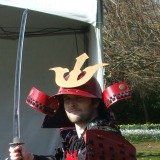
Paul Batman O’Brien is passionate about sharing the wisdom of martial arts to help solve our daily problems. He teaches both gendai (modern) and koryu (classical) Japanese martial traditions for Dublin Kendo Kobukai, holding 5th Dan in Iaido, 4th Dan in Jodo, and serving as dojo leader for Hyōhō Niten Ichi Ryū in Ireland.
With over 40 years in martial arts and 20+ teaching, he is a multi-time international medalist, and has represented Ireland at the European Championships for both Iaido and Jodo many times.
He was a lead writer for Irish Fighter Magazine for over 15 years, with over 100 published articles and is the author of multiple books on martial arts, strength and fitness, eastern medicine, and philosophy.
When not teaching martial arts, he owns and operates the Meridian Acupuncture Clinic.


Free Samurai E-books
Get Free Exclusive Samurai Guides and E-books
Subscribe Now
My Best Selling Samurai Fitness Program
Top Viewed Pages